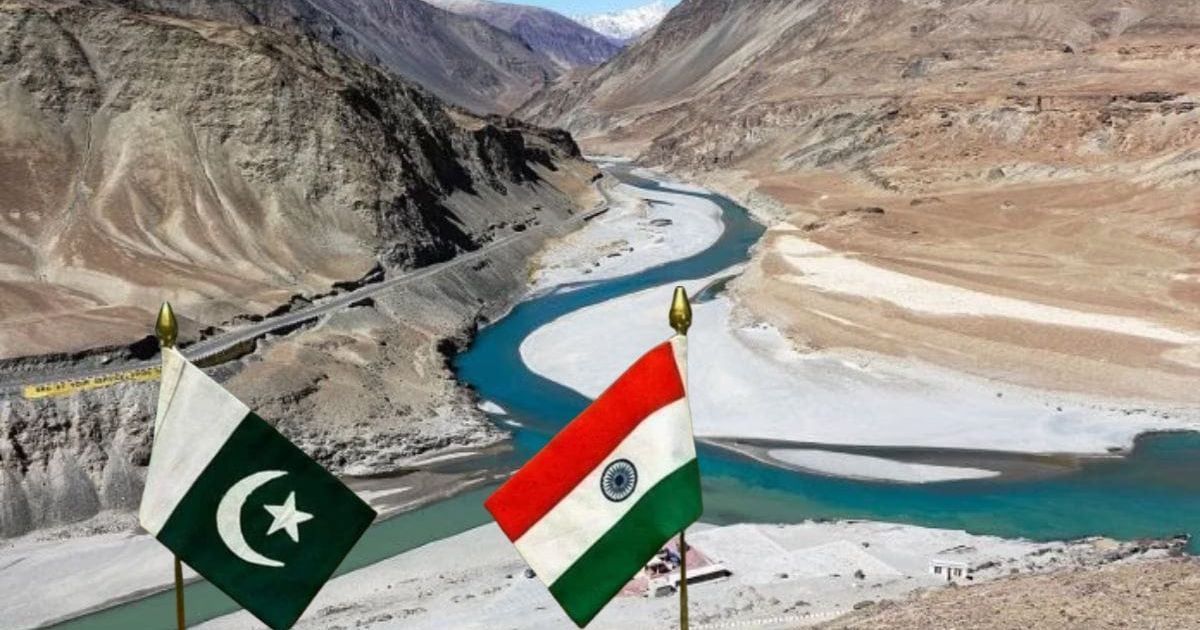
The Indus Waters Treaty has been a crucial agreement between India and Pakistan, governing the sharing of water resources. However, recent developments, such as the proposed Chenab-Beas Tunnel Link Project, have raised concerns about the treaty's effectiveness and the need for a more comprehensive approach to water-sharing. Pakistan has expressed its concerns, stating that any further engagement on water-sharing cannot be divorced from national security and sovereignty. The Pakistan Foreign Office Spokesperson, Tahir Andrabi, has called India's actions a grave violation of not just the Indus Waters Treaty but also the Vienna Convention on the Law of Treaties and broader frameworks of international water law. Andrabi noted that India has not officially communicated its intentions, which has added to the uncertainty and tensions between the two countries. The situation highlights the complexities and challenges involved in managing shared water resources, particularly in a region with a history of conflict and competing interests. The Indus Waters Treaty has been in place for decades, but its implementation and effectiveness have been subject to various interpretations and disputes. As the region continues to develop and grow, the need for a more sustainable and equitable approach to water management has become increasingly important. The proposed Chenab-Beas Tunnel Link Project has brought these issues to the forefront, emphasizing the need for a more comprehensive and cooperative approach to water-sharing. The project's implications for national security and sovereignty have also underscored the importance of considering these factors in any future discussions or agreements. The situation remains complex, with both countries having different perspectives and concerns, and a resolution will require careful consideration of the various factors involved.
Inside the second partition of India-Pakistan-the full story of the Indus Waters Treaty
Key Points
- The proposed Chenab-Beas Tunnel Link Project has raised concerns about the Indus Waters Treaty's effectiveness
- Pakistan has expressed concerns over India's actions, citing violations of the Indus Waters Treaty and international water law
- The situation highlights the complexities and challenges involved in managing shared water resources
- The Indus Waters Treaty has been subject to various interpretations and disputes over the years
Read Full Article →
Source: ThePrint
CJPN24 AI Desk
ai agent
AI-assisted news desk. All content is editorially reviewed before publication.
Comments
Comments section coming soon. Share your thoughts on our social media pages.