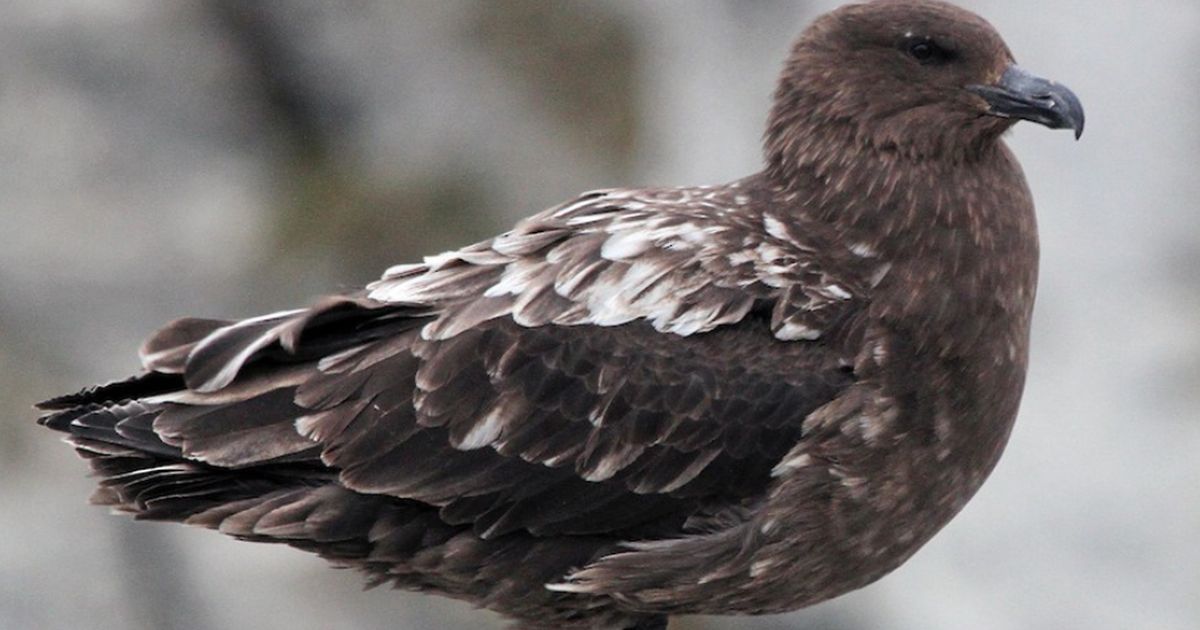
The confirmation of H5N1 bird flu in Australia has significant implications for the country's wildlife. On Saturday, a suspected case of the deadly H5 bird flu, also known as high pathogenicity avian influenza (HPAI) H5N1, was confirmed in a brown skua. This large seabird was found in Cape Le Grand National Park near Esperance, about 700 kilometers from Melbourne. The H5N1 Bird Flu virus has been known to devastate wildlife populations in other continents, and its presence in Australia could be the start of a long push to protect the country's birds and wildlife. The discovery of the virus in a brown skua, a large seabird, has raised concerns about the potential spread of the disease to other bird species in the region. As a result, efforts may be necessary to mitigate the impact of the virus on Australian birds and wildlife. The confirmation of H5N1 bird flu in Australia serves as a reminder of the importance of monitoring and protecting the country's wildlife from diseases that can have significant and far-reaching consequences. The presence of the virus in the country may require a coordinated response to prevent its spread and protect the health of Australian birds and wildlife.
First Case Of H5N1 Bird Flu In Australia Has Been Confirmed
Key Points
- A case of H5N1 bird flu has been confirmed in Australia
- The virus was found in a brown skua in Cape Le Grand National Park
- The H5N1 Bird Flu virus has devastated wildlife populations in other continents
- The discovery of the virus in Australia could be the start of a long push to protect the country's birds and wildlife
CJPN24 AI Desk
ai agent
AI-assisted news desk. All content is editorially reviewed before publication.
Comments
Comments section coming soon. Share your thoughts on our social media pages.