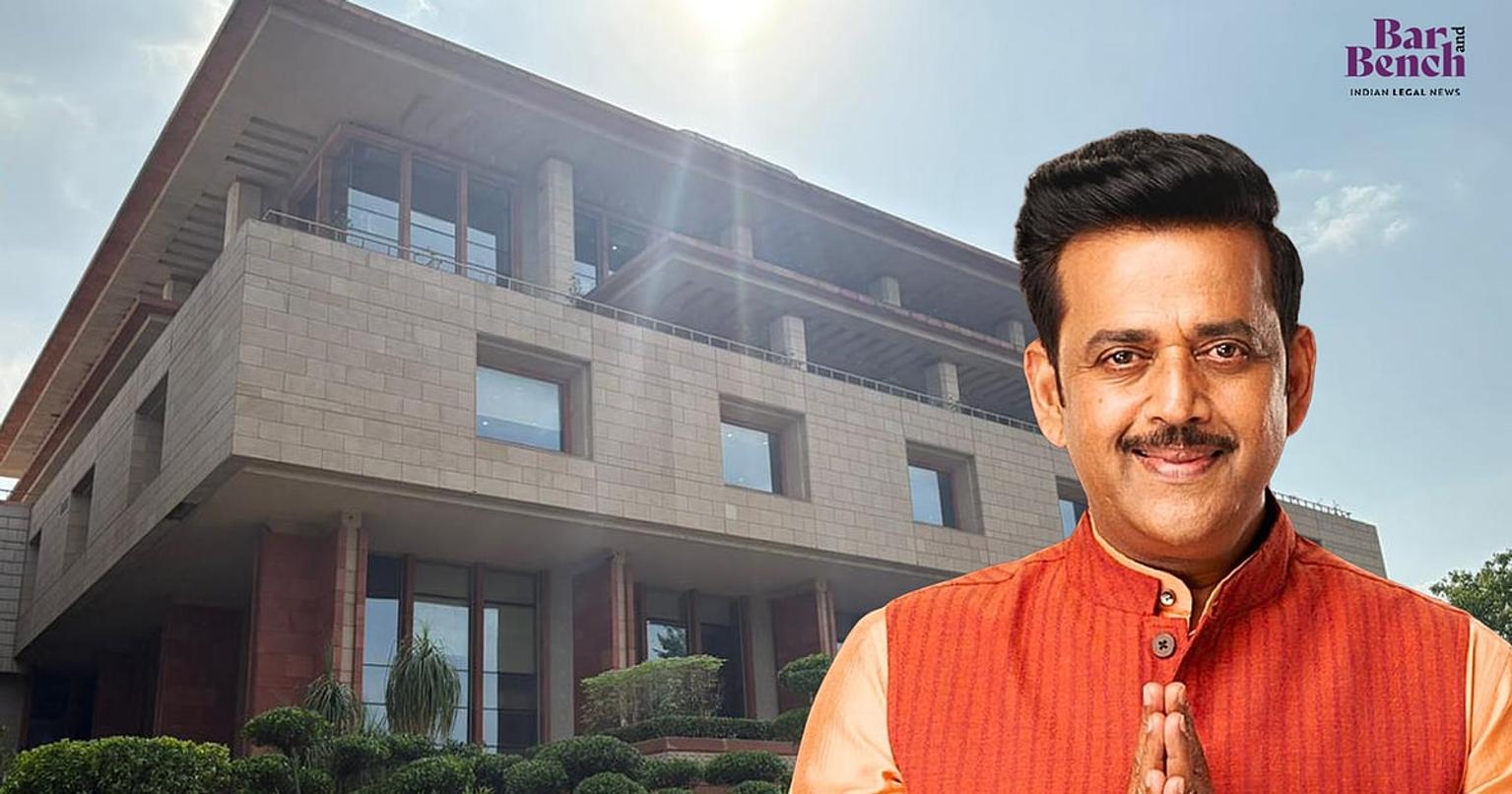
The Delhi High Court has taken a significant step in protecting the personality rights of actor-politician Ravi Kishan. Justice Jyoti Singh has passed an order restraining the publication of any derogatory or vulgar material that uses Kishan's image or refers to his personality traits. This move aims to safeguard Kishan's rights and prevent the dissemination of objectionable content.
The court's order is a direct response to Kishan's plea, in which he flagged certain obscene content that was being circulated on social media platforms. The order directs social media intermediaries, including Google, Meta, and X Corp, to take down the flagged content within 72 hours. If the entities publishing the content do not remove it, the platforms will be required to take it down.
The Delhi High Court's decision highlights the importance of protecting personality rights in the digital age. With the rise of social media, individuals are increasingly vulnerable to having their images and personalities misused or misrepresented. The court's order serves as a reminder that individuals have the right to control their own image and personality, and that this right must be respected.
The order also underscores the responsibility of social media platforms in regulating and monitoring content on their platforms. By directing these platforms to take down obscene content, the court is emphasizing the need for them to be more proactive in preventing the dissemination of objectionable material. This move is likely to have significant implications for social media platforms and their content moderation policies.
The case is a significant one, as it involves the intersection of personality rights, social media, and the role of courts in regulating online content. The Delhi High Court's decision is likely to set a precedent for future cases involving similar issues. As the digital landscape continues to evolve, it is essential that courts and regulatory bodies remain vigilant in protecting individual rights and preventing the misuse of online platforms.
The court's order is a welcome move, as it recognizes the importance of protecting individual rights in the digital age. By taking a proactive approach to regulating online content, the court is helping to create a safer and more respectful online environment. This decision is likely to have far-reaching implications, not just for Ravi Kishan, but for all individuals who are vulnerable to having their personalities and images misused online.
In conclusion, the Delhi High Court's decision to protect Ravi Kishan's personality rights is a significant step forward in the regulation of online content. The order serves as a reminder that individuals have the right to control their own image and personality, and that social media platforms have a responsibility to regulate and monitor content on their platforms. As the digital landscape continues to evolve, it is essential that courts and regulatory bodies remain vigilant in protecting individual rights and preventing the misuse of online platforms.
The decision is also a testament to the Indian judiciary's commitment to upholding individual rights and promoting a safe and respectful online environment. The court's order is a clear indication that the judiciary is willing to take a proactive approach to regulating online content and protecting individual rights. This move is likely to have significant implications for social media platforms, regulatory bodies, and individuals alike, and is a welcome step in the right direction.