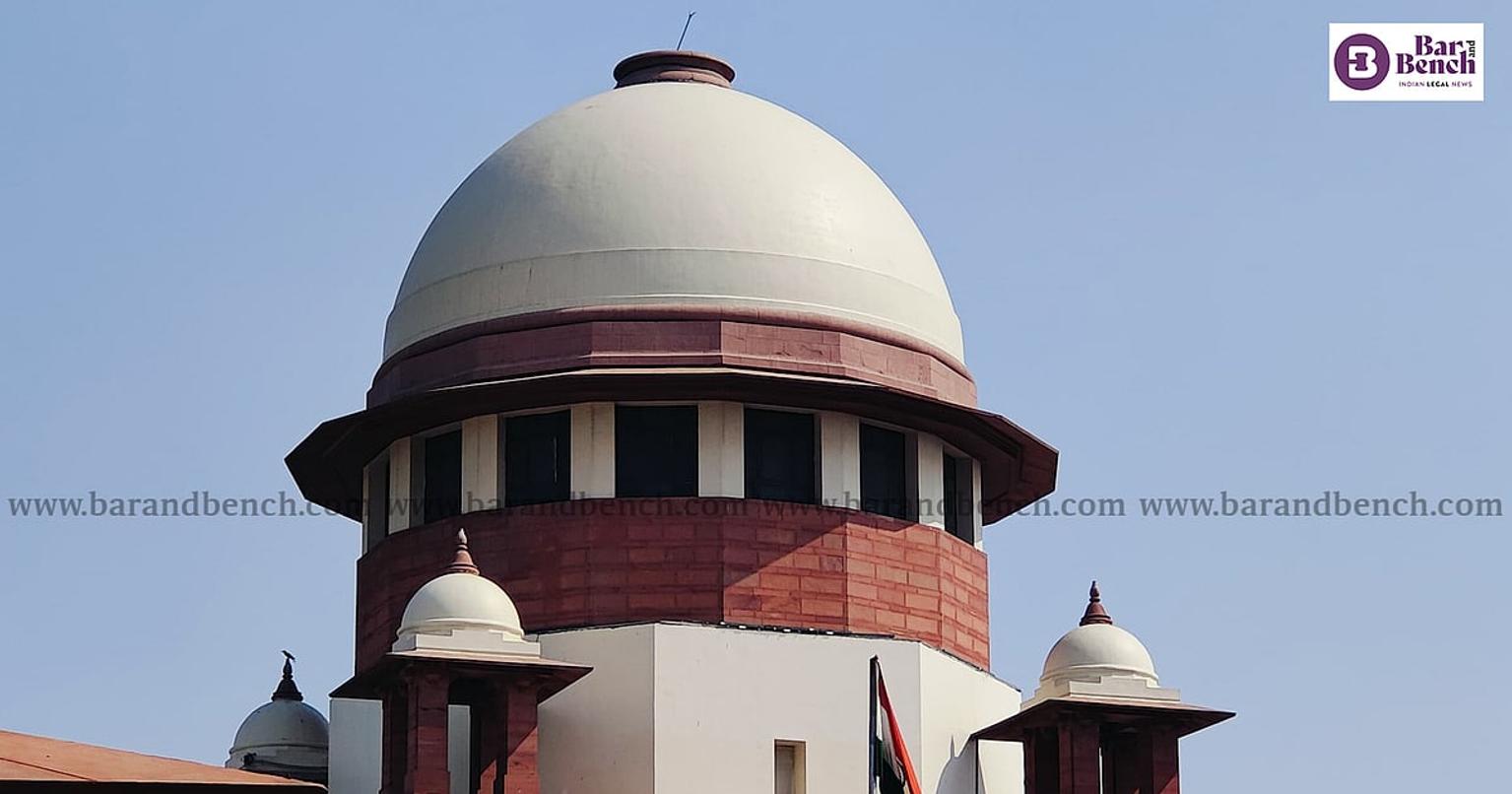
The Supreme Court has made a significant decision in the Bhojshala-Kamal Maula case, which has been a subject of dispute between Hindus and Muslims. As an interim measure, the court has allowed Muslims to offer prayers on Fridays near the disputed site. This decision was made without prejudice to the rights of both sides, indicating that the final outcome of the case is still pending.
The court's decision comes after it heard a petition challenging the Madhya Pradesh High Court's ruling on the religious character of the disputed area. The Madhya Pradesh High Court had declared that the site is a Hindu temple, which was contested by the Muslim appellants. The Supreme Court's interim order provides a separate open space adjacent to the site for Muslims to offer namaz on Fridays between 1 to 3 pm.
The case highlights the complexities of religious disputes in India, where different communities often have competing claims over the same site. The Bhojshala-Kamal Maula site is one such example, where both Hindus and Muslims have been claiming ownership and the right to worship. The Supreme Court's decision to allow Muslims to offer prayers on Fridays is a temporary measure, and the final outcome of the case will depend on the court's verdict.
The Supreme Court's order is significant, as it balances the rights of both communities. By providing a separate space for Muslims to offer prayers, the court has ensured that their religious rights are protected, while also respecting the claims of the Hindu community. The case will now be listed for further hearing, and the final decision will be made after considering the arguments of both sides.
The dispute over the Bhojshala-Kamal Maula site is not new, and it has been a subject of controversy for many years. The site has been claimed by both Hindus and Muslims, who have been worshiping there for centuries. The Supreme Court's decision to intervene in the case and provide an interim solution is a welcome step, as it helps to reduce tensions between the two communities.
The case also highlights the importance of the judiciary in resolving religious disputes in India. The Supreme Court's decision demonstrates its commitment to upholding the principles of secularism and protecting the rights of all citizens, regardless of their religion. As the case progresses, it will be interesting to see how the court balances the competing claims of the two communities and provides a final verdict.
In conclusion, the Supreme Court's decision in the Bhojshala-Kamal Maula case is a significant development, as it provides a temporary solution to the dispute over the site. The court's order to provide a separate space for Muslims to offer prayers on Fridays is a welcome step, and it demonstrates the court's commitment to protecting the rights of all citizens. The final outcome of the case will depend on the court's verdict, which will be made after considering the arguments of both sides.