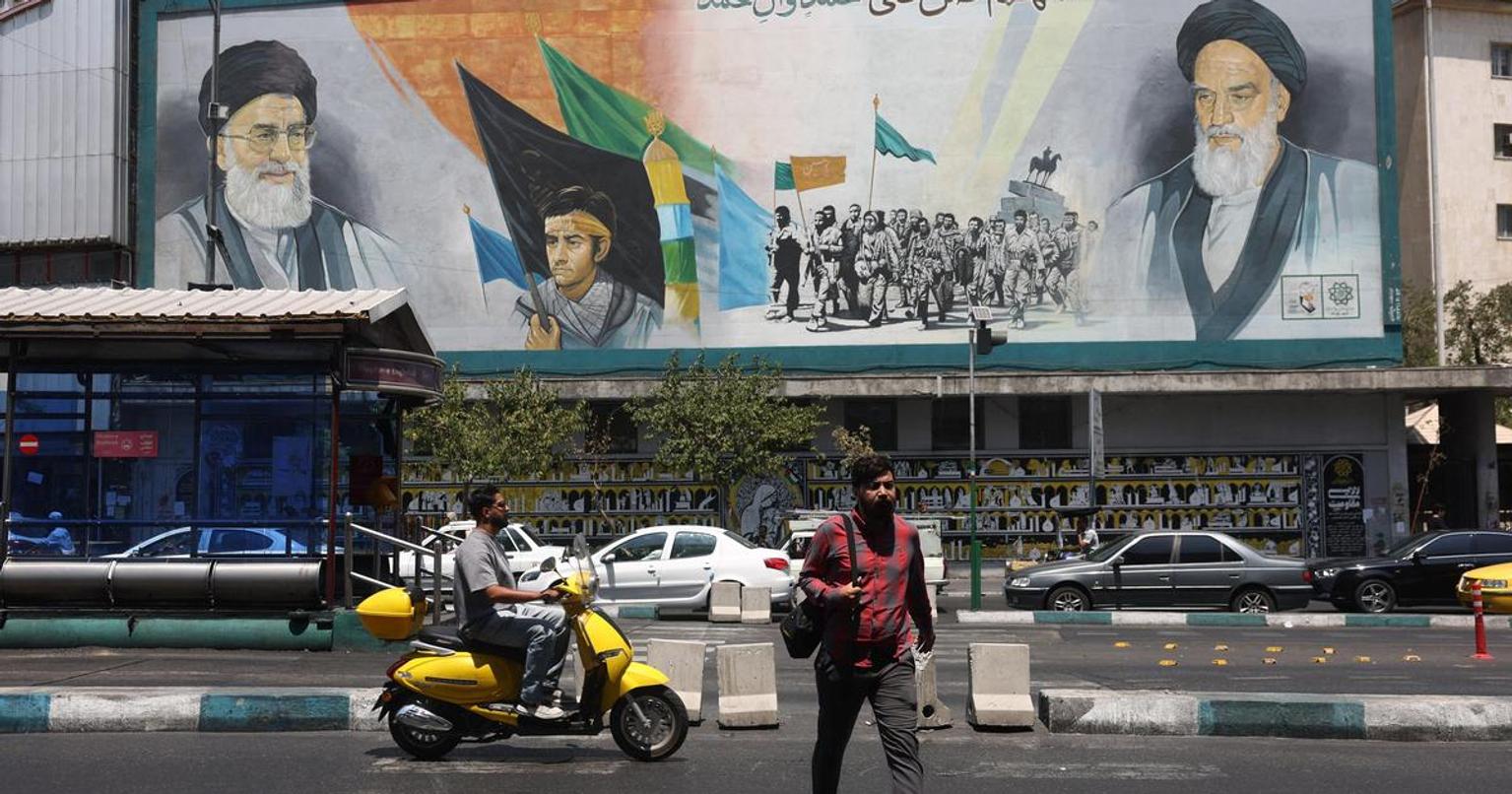
The current situation in West Asia is marked by heightened tensions between Iran and the United States, with the former accusing the latter of escalating tensions in the region. Iran has issued a warning to the United Kingdom, stating that if British military bases are used by the U.S. for attacks against Iran, it would be considered an act of aggression. This, according to Iran, would entitle them to resort to self-defence, as they view such actions as a direct threat to their national security.
The warning from Iran comes at a time when the U.S. is weighing its options regarding potential strikes on Iran. The Strait of Hormuz has been a focal point of these tensions, with incidents involving tankers and other vessels drawing international attention. The U.S. has been pushing for Iran to honour the terms of a truce, aiming to de-escalate the situation.
Iran's stance on the matter is clear: any involvement by other nations in facilitating U.S. attacks would be seen as a hostile act. This position reflects the complex geopolitical landscape of the region, where alliances and rivalries play significant roles in shaping the actions of nations. The U.S. and Iran have a long history of tensions, and current events are exacerbating these existing strains.
The role of the United Kingdom in this scenario is crucial, as Iran's warning directly addresses the potential use of British military bases. The U.K.'s position on the matter will be closely watched, as it navigates its relationships with both the U.S. and Iran. The situation is delicate, with each move having the potential to either ease or escalate tensions further.
The Strait of Hormuz, a vital waterway for international oil shipments, has been at the centre of many incidents that have contributed to the current state of heightened alert. Attacks on tankers and other vessels have raised concerns about the safety of maritime traffic in the region. These incidents have been attributed to various parties, further complicating the situation and making it challenging to find a resolution.
As the U.S. considers its next steps, including the possibility of fresh strikes on Iran, the international community is watching with bated breath. The potential consequences of such actions are far-reaching, with implications not only for the region but also for global stability. Iran's warning to the U.K. is a clear indication of the seriousness with which it views the situation and its determination to defend its interests.
The path forward is uncertain, with multiple factors at play. The interactions between the U.S., Iran, and other nations involved will determine the course of events in the coming days and weeks. As tensions remain high, the world waits to see how the situation will unfold, hoping for a resolution that avoids further conflict.
In conclusion, the situation in West Asia is complex and volatile, with Iran and the U.S. at the forefront of the tensions. The warning issued by Iran to the U.K. underscores the gravity of the situation and the need for careful consideration by all parties involved. As the world watches, it is clear that the actions taken now will have significant implications for the future of the region and beyond.