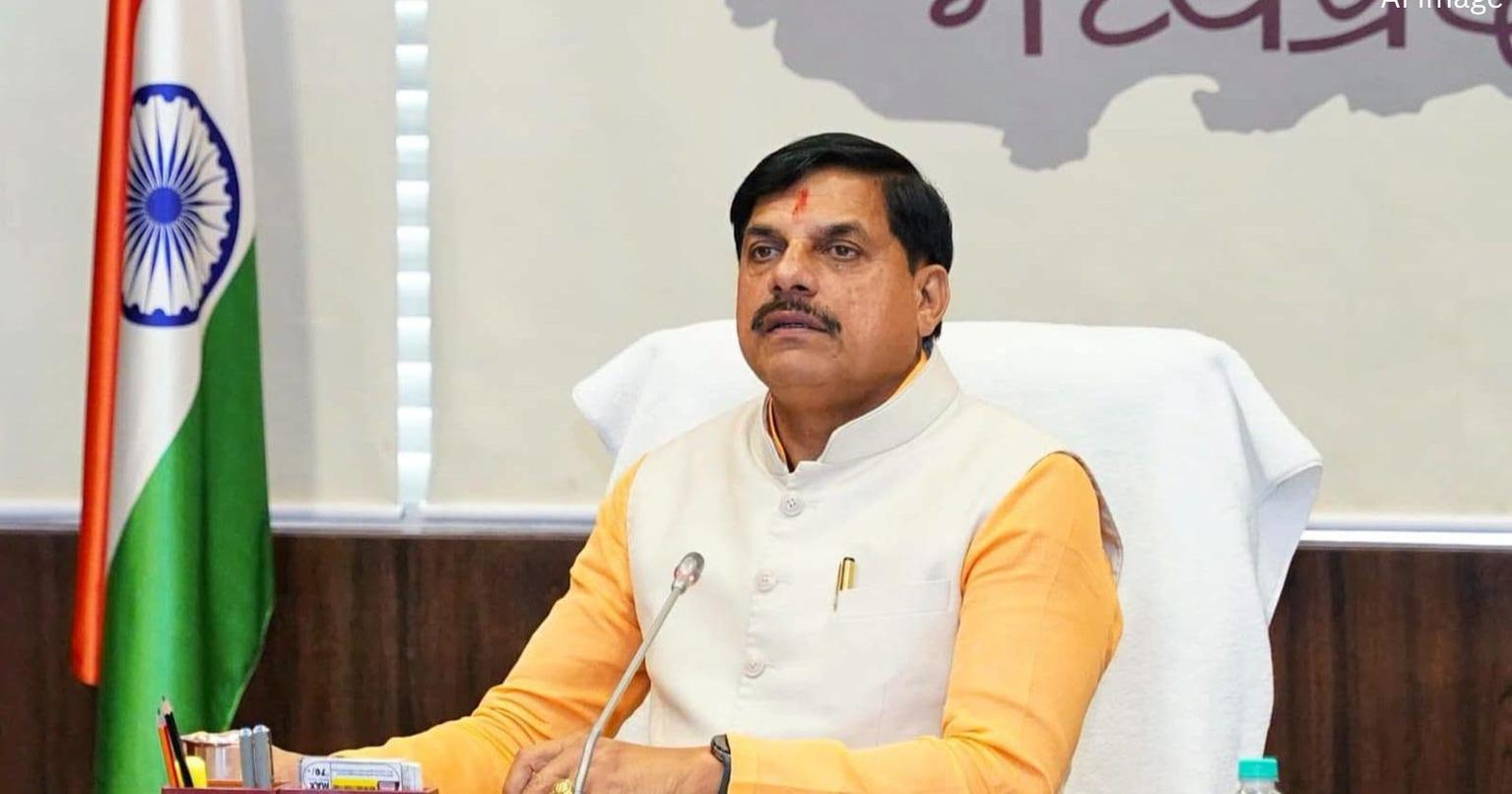
Madhya Pradesh Chief Minister Mohan Yadav has made a strong pitch for the implementation of a Uniform Civil Code (UCC) in the state. He emphasized the need for 'one law for everyone', implying that the current system of multiple laws for different communities is not ideal. This statement suggests that the Chief Minister is in favor of a unified legal framework that applies to all citizens, regardless of their background or community.
The Chief Minister's comments on the UCC are significant, as they indicate a desire to bring about a significant change in the state's legal landscape. By suggesting that people should not be allowed to have multiple spouses, he is implying that the state should have a uniform law governing marriage and family relationships. This could have far-reaching implications for the state's residents, particularly those from communities where polygamy is practiced.
The proposal to introduce a UCC in Madhya Pradesh is likely to be controversial, as it would require significant changes to the state's existing laws and social norms. However, the Chief Minister appears to be committed to pushing forward with the proposal, and has stated that the Bill will be approved in the next Cabinet meeting. The Bill is expected to be introduced in the upcoming monsoon session of the Assembly, which will provide a platform for lawmakers to debate and discuss the proposal.
The introduction of a UCC in Madhya Pradesh could have significant implications for the state's residents, particularly women and minority communities. It could provide a more uniform and equitable framework for resolving family disputes and other legal issues, and could help to promote social cohesion and integration. However, it is also likely to face opposition from some communities, who may view it as an attempt to impose a uniform culture or values on them.
The Chief Minister's proposal to link the right to reside in Madhya Pradesh to marital status is also significant. By suggesting that only those who marry once have the 'legal right' to reside in the state, he is implying that the state should have a say in the personal lives of its residents. This could be seen as an attempt to promote social conservatism and traditional values, and could have significant implications for the state's residents, particularly those who do not conform to traditional norms.
The proposal to introduce a UCC in Madhya Pradesh is likely to be watched closely by lawmakers and citizens across the country. It could provide a model for other states to follow, and could help to promote a more uniform and equitable legal framework across India. However, it is also likely to face significant challenges and opposition, and will require careful consideration and debate before it can be implemented.
The Chief Minister's commitment to introducing a UCC in Madhya Pradesh is a significant development, and could have far-reaching implications for the state and its residents. As the proposal moves forward, it will be important to watch how it is received by lawmakers and citizens, and to consider the potential implications for the state's social and legal landscape.
The introduction of a UCC in Madhya Pradesh could be a significant step towards promoting social cohesion and integration in the state. By providing a uniform framework for resolving legal issues, it could help to reduce conflicts and promote a sense of shared citizenship. However, it is also important to consider the potential challenges and risks associated with introducing such a significant change, and to ensure that the proposal is carefully considered and debated before it is implemented.