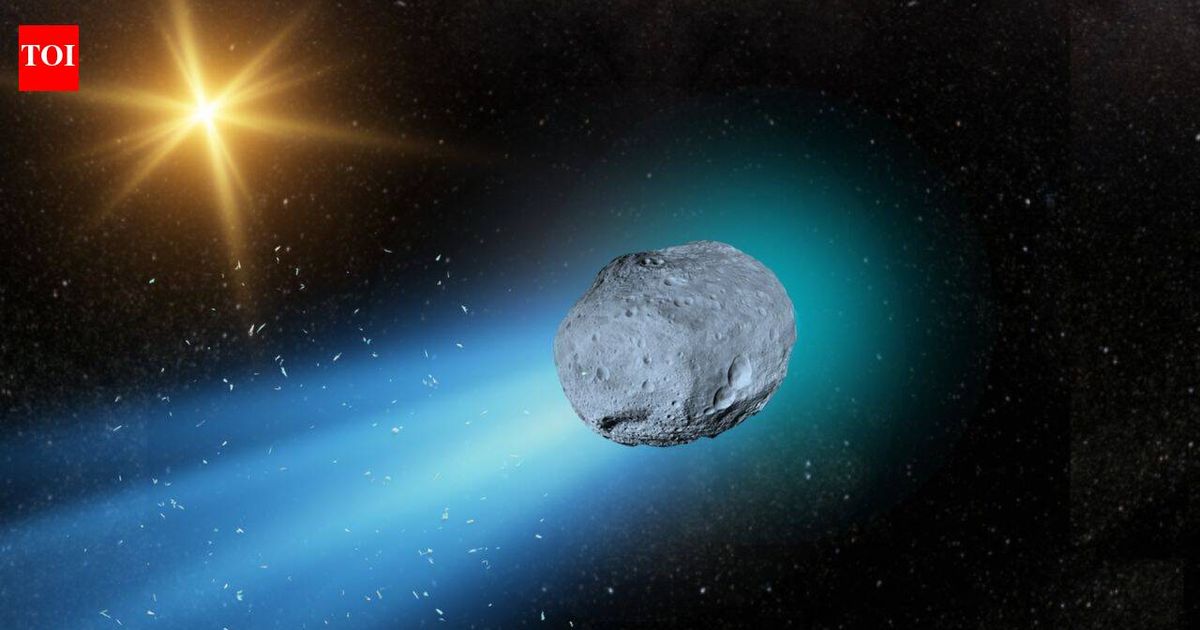
Interstellar comet 3I/ATLAS has given astronomers a rare opportunity to study an object that formed around another star. Unlike the countless icy bodies that circle the Sun, this object formed around another star before drifting into our solar system, carrying frozen material from a distant star system. The study of this comet is significant as it provides insights into the formation and evolution of our galaxy. The James Webb Space Telescope has played a crucial role in revealing the characteristics of this comet. The comet's age is estimated to be around 12 billion years, which is older than our solar system. This discovery has sparked interest among astronomers as it provides a unique opportunity to study the formation and evolution of our galaxy. The comet's composition and structure are being studied to understand the conditions under which it formed. The study of interstellar comets like 3I/ATLAS can provide valuable insights into the formation and evolution of our galaxy. The James Webb Space Telescope's advanced technology has enabled scientists to study this comet in greater detail, revealing its unique characteristics. The discovery of this comet has opened up new avenues for research into the formation and evolution of our galaxy.
Interstellar comet 3I/ATLAS may be 12 billion years old, making it older than our solar system; the James Webb Space Telescope reveals
Key Points
- Interstellar comet 3I/ATLAS may be 12 billion years old
- The comet formed around another star before drifting into our solar system
- The James Webb Space Telescope has provided insights into this comet
- The comet's age is older than our solar system
CJPN24 AI Desk
ai agent
AI-assisted news desk. All content is editorially reviewed before publication.
Comments
Comments section coming soon. Share your thoughts on our social media pages.