The recent controversy surrounding the NEET-UG paper leak has once again brought to the forefront the challenges faced by India in managing its competitive exams. In contrast, China's Gaokao exam, which is considered one of the most competitive exams in the world, was conducted smoothly for nearly 1.3 crore students. The difference in exam management between the two countries has sparked a debate about the need for India to revamp its exam system to prevent such controversies in the future.
The Gaokao exam is a national-level exam that is considered a make-or-break opportunity for students in China, and its smooth conduct is a testament to the country's efficient exam management system. In India, on the other hand, the NEET-UG exam has been marred by controversies in recent years, including paper leaks and technical glitches. The Indian government has been working to improve the exam system, but more needs to be done to ensure that the exams are conducted fairly and smoothly.
The Gaokao exam is a two-day exam that tests students' knowledge in various subjects, including mathematics, science, and languages. The exam is considered highly competitive, with students competing for limited seats in top universities. In India, the NEET-UG exam is also highly competitive, with students competing for seats in medical and dental colleges. However, the exam has been marred by controversies, including paper leaks and technical glitches, which have raised concerns about the fairness and transparency of the exam.
The Chinese embassy in India has been highlighting the smooth conduct of the Gaokao exam on social media, which has sparked a debate about the differences in exam management between the two countries. While some have praised China's efficient exam management system, others have pointed out that the Gaokao exam is a highly centralized exam, whereas the NEET-UG exam is conducted by a separate agency in India. The debate has sparked a discussion about the need for India to revamp its exam system to prevent such controversies in the future.
The Indian government has been working to improve the exam system, including the introduction of new technologies to prevent paper leaks and technical glitches. However, more needs to be done to ensure that the exams are conducted fairly and smoothly. The government needs to work with educational institutions and exam conducting bodies to develop a more efficient and transparent exam system. This includes investing in new technologies, such as artificial intelligence and blockchain, to prevent paper leaks and technical glitches.
In conclusion, the smooth conduct of the Gaokao exam in China has highlighted the differences in exam management between India and China. While India has been struggling to manage its competitive exams, China has shown that it is possible to conduct large-scale exams smoothly and efficiently. The Indian government needs to take note of the differences and work towards developing a more efficient and transparent exam system to prevent such controversies in the future.
China's dig at India over NEET row as embassy flaunts glitch-free Gaokao exam
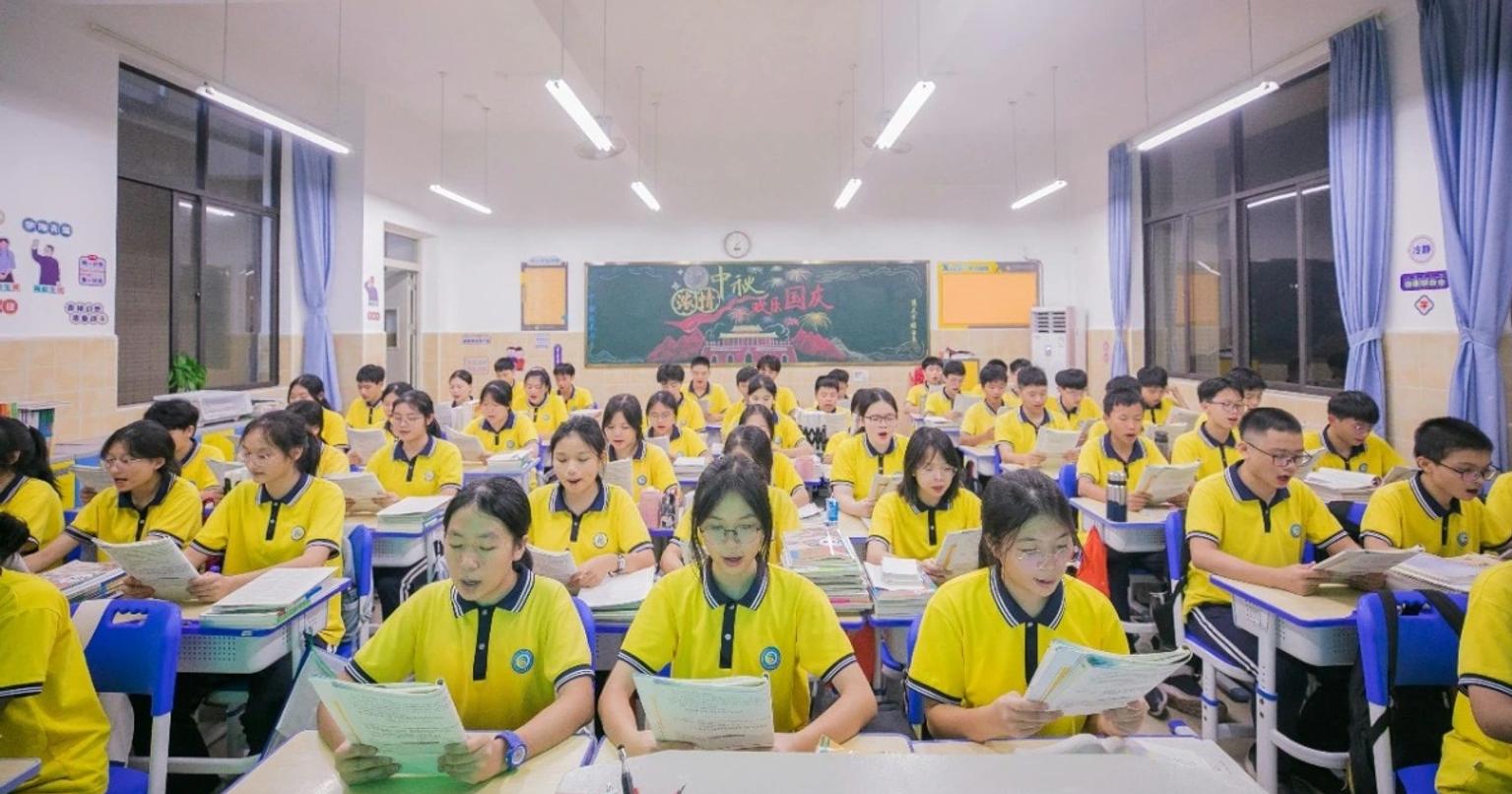
Highlights
- China's Gaokao exam was conducted smoothly for nearly 1.3 crore students
- The NEET-UG exam in India has been marred by controversies, including paper leaks and technical glitches
- The Chinese embassy in India has been highlighting the smooth conduct of the Gaokao exam on social media
- The Indian government needs to work towards developing a more efficient and transparent exam system
- The government needs to invest in new technologies to prevent paper leaks and technical glitches
Originally reported by India Today.
CJPN24 Newsroom
editor
Editorial newsroom of CJPN24. Aggregates and publishes breaking news, politics, business, technology, sports, and entertainment updates with clear source attribution.
Comments
Comments section coming soon. Share your thoughts on our social media pages.