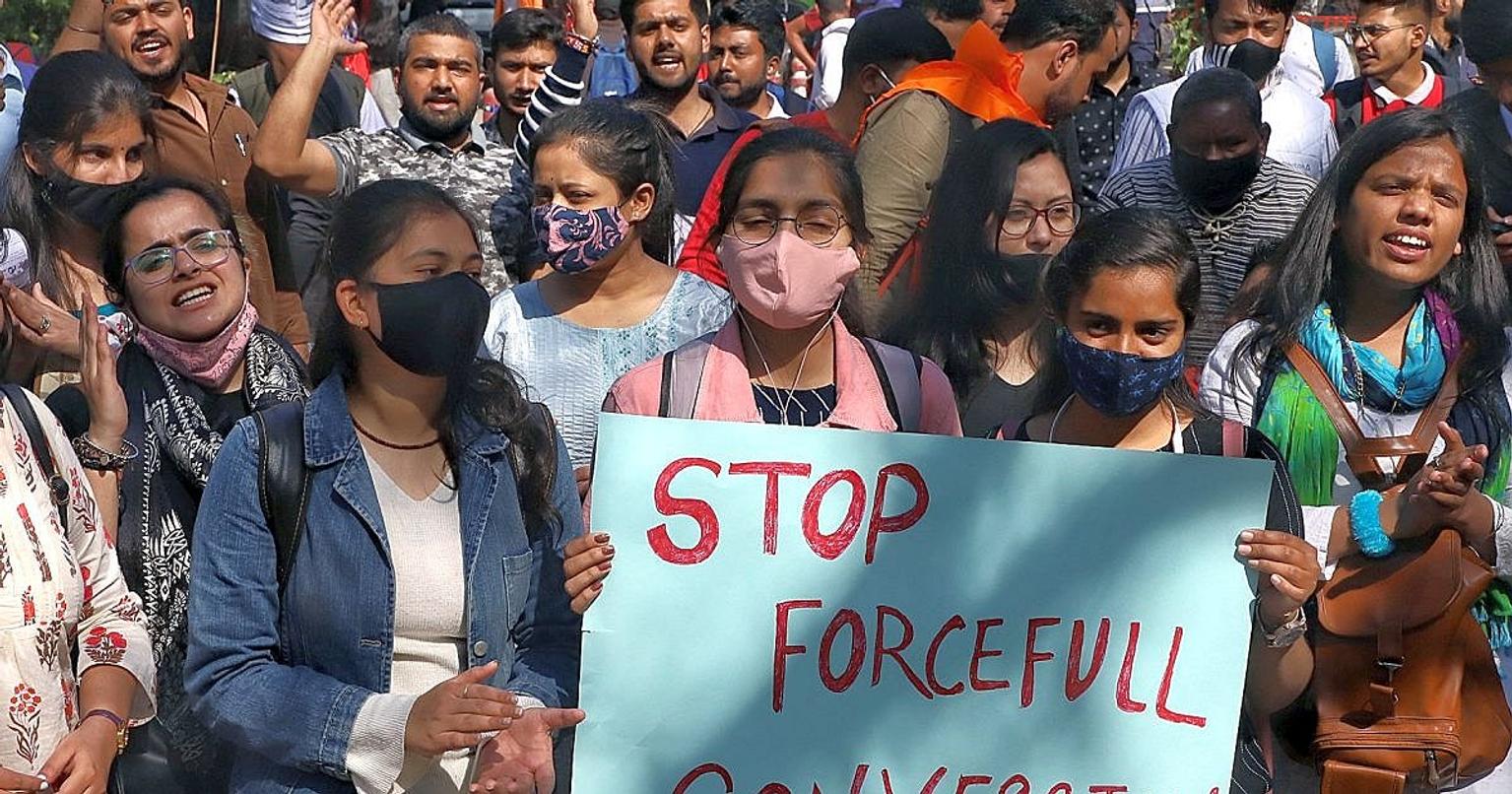
The Pune police have taken action against a UK-based Overseas Citizen of India cardholder for allegedly attempting to induce religious conversions. This move highlights the enforcement of new laws like the Maharashtra Freedom of Religion Act, 2026. The individual in question is accused of using religious gatherings to spread misconceptions about Hindu traditions and make superstitious claims to attract followers.
The accused is a British national holding an OCI card, which grants certain privileges to individuals of Indian origin residing abroad. However, the individual's actions allegedly violated the Immigration and Foreigners Act and the Maharashtra Freedom of Religion Act, 2026. The Pune police have registered a First Information Report (FIR) against the individual, marking a significant step in addressing the issue.
The Maharashtra Freedom of Religion Act, 2026, is a law aimed at preventing forced conversions and protecting the rights of individuals to practice their chosen religion. The law stipulates penalties for those found guilty of inducing conversions through coercion, allurement, or fraudulent means. In this case, the accused allegedly used religious gatherings to spread misconceptions and make superstitious claims, which is a violation of the law.
The Pune police's action against the British OCI cardholder demonstrates the commitment to enforcing laws related to religious freedom. The registration of the FIR is an initial step in the investigation, and further action will depend on the outcome of the probe. The case highlights the importance of upholding the law and protecting the rights of individuals to practice their chosen religion without fear of coercion or allurement.
The accused individual's actions allegedly took place in Pune, where the individual used religious gatherings to spread misconceptions about Hindu traditions. The use of such gatherings to induce conversions is a serious issue, and the law aims to prevent such practices. The Maharashtra Freedom of Religion Act, 2026, provides a framework for addressing such cases and ensuring that individuals are not forced to convert against their will.
The investigation into the case is ongoing, and the Pune police will likely gather more evidence to build a strong case against the accused. The registration of the FIR marks the beginning of the legal process, and the accused will have the opportunity to respond to the allegations. The case serves as a reminder of the importance of respecting the rights of individuals to practice their chosen religion and the need to prevent forced conversions.
The laws related to religious freedom are in place to protect the rights of individuals and prevent coercion or allurement. The Maharashtra Freedom of Religion Act, 2026, is a significant step in this direction, and the Pune police's action against the British OCI cardholder demonstrates the commitment to enforcing these laws. The case will likely be closely watched, and the outcome will have implications for similar cases in the future.
The accused individual's actions have serious implications, and the law aims to prevent such practices. The use of religious gatherings to induce conversions is a serious issue, and the registration of the FIR is an important step in addressing the issue. The case highlights the importance of upholding the law and protecting the rights of individuals to practice their chosen religion without fear of coercion or allurement.
The investigation into the case will continue, and the Pune police will likely take further action based on the evidence gathered. The case serves as a reminder of the importance of respecting the rights of individuals to practice their chosen religion and the need to prevent forced conversions. The Maharashtra Freedom of Religion Act, 2026, provides a framework for addressing such cases, and the Pune police's action against the British OCI cardholder demonstrates the commitment to enforcing the law.