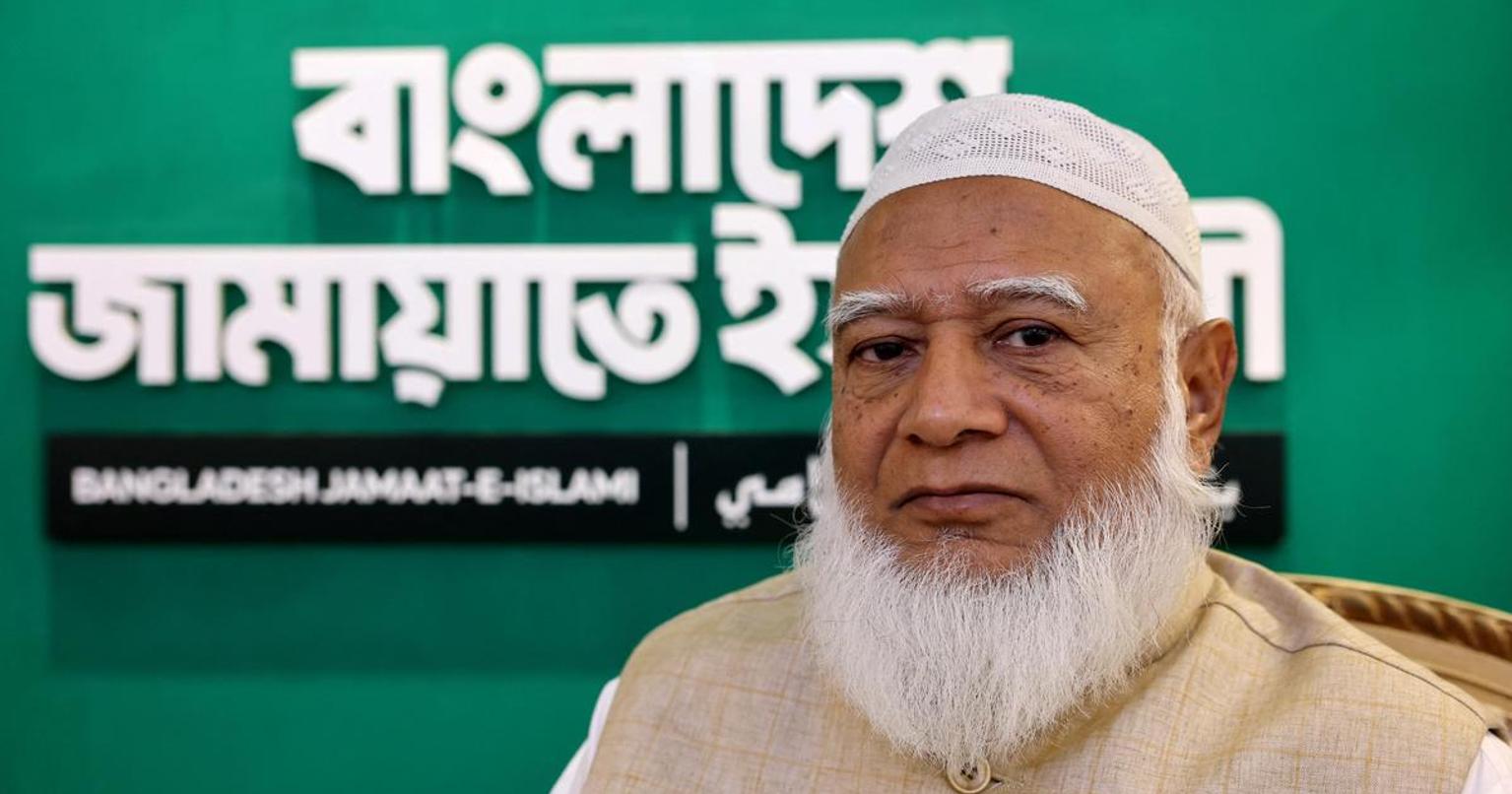
The recent comments made by Dinesh Trivedi, India's High Commissioner-designate to Bangladesh, have sparked controversy in Bangladesh. Trivedi's suggestion that India and Bangladesh should unify their efforts has been met with criticism from the Bangladesh Jamaat-e-Islami, with the party's chief, Shafiqur Rahman, terming the comments as condemnable. The Jamaat-e-Islami has demanded clarification from the Indian government on Trivedi's remarks, which they believe are an attempt to undermine the sovereignty of Bangladesh. The party has also expressed concerns that such comments could damage the bilateral relations between the two countries.
The Bangladesh Jamaat-e-Islami has been vocal in its opposition to any attempts to compromise the country's sovereignty, and Trivedi's comments have been seen as a threat to the nation's independence. The party has called upon the Indian government to take necessary steps to address the concerns of the Bangladeshi people and to ensure that such comments are not repeated in the future. The controversy has highlighted the sensitivity of the bilateral relations between India and Bangladesh, and the need for diplomats to be mindful of their words and actions.
The Indian government has not yet responded to the Jamaat-e-Islami's demand for clarification, but it is expected to issue a statement soon. The controversy has sparked a debate in Bangladesh about the country's relations with India, with some sections of the media and the public calling for a more nuanced approach to diplomacy. The Bangladesh government has also been criticized for its handling of the situation, with some opposition parties accusing it of being too soft on India.
The controversy surrounding Trivedi's comments has also raised questions about the role of diplomats in shaping bilateral relations. Diplomats are expected to be mindful of their words and actions, and to avoid making comments that could be seen as insensitive or provocative. The incident has highlighted the need for greater diplomacy and sensitivity in the relations between India and Bangladesh, and the importance of avoiding comments that could be misinterpreted or misunderstood.
The Bangladesh Jamaat-e-Islami's demand for clarification has been seen as an attempt to assert the country's sovereignty and to protect its national interests. The party has been vocal in its opposition to any attempts to compromise Bangladesh's independence, and has called upon the government to take a strong stance on the issue. The controversy has also sparked a debate about the future of India-Bangladesh relations, and the need for greater cooperation and understanding between the two countries.
Bangladesh Jamaat-e-Islami chief seeks clarification on High Commissioner-designate Dinesh Trivedi’s remarks
Highlights
- The Bangladesh Jamaat-e-Islami has demanded clarification on remarks made by India's High Commissioner-designate to Bangladesh, Dinesh Trivedi, regarding the unification of India and Bangladesh
- Trivedi's comments have been termed as condemnable by the Jamaat-e-Islami chief, who has called for an explanation from the Indian government
- The controversy has highlighted the sensitivity of the bilateral relations between India and Bangladesh, and the need for diplomats to be mindful of their words and actions
- The incident has raised questions about the role of diplomats in shaping bilateral relations and the importance of avoiding comments that could be misinterpreted or misunderstood
Originally reported by The Hindu.
CJPN24 Newsroom
editor
Editorial newsroom of CJPN24. Aggregates and publishes breaking news, politics, business, technology, sports, and entertainment updates with clear source attribution.
Comments
Comments section coming soon. Share your thoughts on our social media pages.