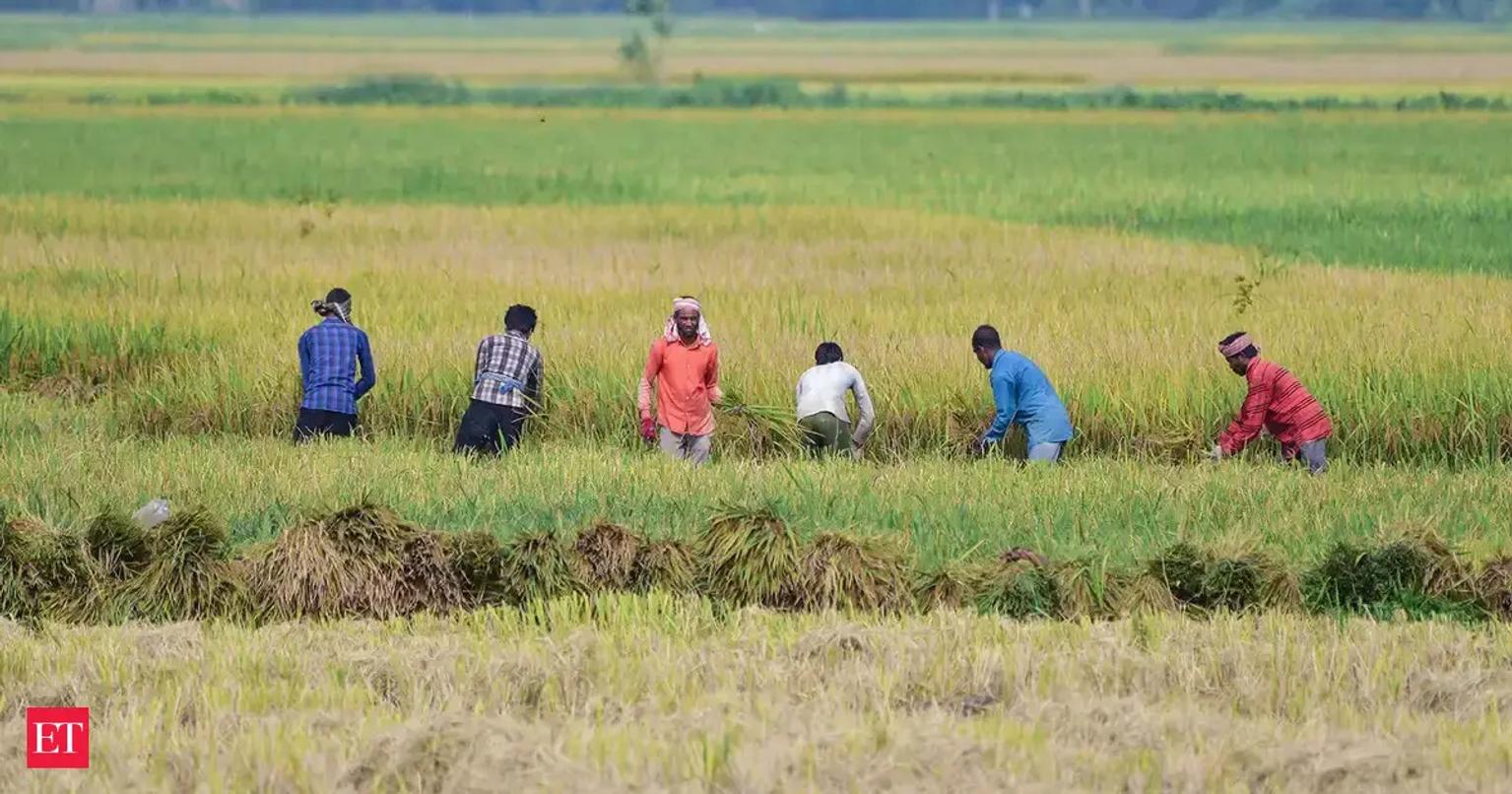
India's monsoon rainfall has become increasingly unpredictable, posing a significant threat to the nation's agricultural output and power grids. The primary cause of this erratic behavior is attributed to the combined effects of El Niño and global warming. These climate phenomena have led to a pattern of dry spells followed by sudden, intense downpours, which in turn disrupt the sowing of summer crops and impact rural incomes.
The consequences of this yo-yo monsoon pattern are multifaceted, affecting not only agricultural productivity but also the stability of the power grid. The irregular rainfall disrupts the traditional sowing schedules for summer crops, leading to uncertainty among farmers and potentially affecting the overall yield. Furthermore, the dry spells that precede the downpours increase the demand for water, straining local resources.
In urban areas, the situation is equally challenging, as the pauses in monsoon activity lead to increased temperatures, thereby boosting the demand for cooling. This surge in power consumption puts additional strain on the power grids, which are already under pressure due to the erratic supply of hydroelectric power, a significant component of India's energy mix. The impact on rural incomes is also noteworthy, as the unpredictable nature of the monsoon affects not just the crops but also the livelihoods of those dependent on agriculture.
The shift towards a more erratic monsoon pattern is a cause for concern, given the reliance of Indian agriculture on these rains. The majority of the country's agricultural land is rain-fed, making the monsoon crucial for crop cultivation. Any disruption in the monsoon cycle can have far-reaching consequences, including reduced crop yields, lower rural incomes, and increased food prices.
El Niño, a natural climate pattern that occurs in the Pacific Ocean, is known to influence the Indian monsoon, often leading to below-average rainfall. When combined with the effects of global warming, which tends to increase the variability of weather patterns, the result is a monsoon that is both less predictable and more extreme. This combination of factors makes it challenging for farmers to plan their crop cycles effectively and for power grid managers to anticipate and meet demand.
The need for adaptive strategies to mitigate the effects of this erratic monsoon pattern is evident. This could involve the development of more resilient crop varieties, improved water management practices, and enhanced forecasting systems to better predict the monsoon's behavior. Additionally, investments in renewable energy sources and grid infrastructure could help reduce the strain on power supplies during periods of high demand.
In conclusion, the erratic nature of India's monsoon, exacerbated by El Niño and global warming, poses significant challenges to the country's agricultural sector and power grid. Addressing these challenges will require a multifaceted approach that includes technological innovation, policy support, and community engagement to build resilience against the impacts of climate change.